Namibia, a sparsely populated nation in Southern Africa, is renowned for its vast deserts, rich mineral wealth, and a thriving tourism sector. Despite its low population density, Namibia stands out as one of Africa’s most stable democracies, blending natural beauty with economic potential.
Political and Historical Background
• Gained independence from South Africa on 21 March 1990.
• Government: Unitary semi-presidential republic.
• Current leadership: President HE Netumbo Nandi-Ndaitwah and Prime Minister Rt. Hon Elijah Ngurare.
• Legislature: Bicameral Parliament (National Assembly & National Council).
• Political system: Multi-party democracy, historically dominated by SWAPO.
Namibia is one of the largest countries within Africa with an area of 825,615 sq km,
Namibia’s Borders are -Atlantic Ocean (west), Angola & Zambia (north), Botswana (east), South Africa (south) and Zimbabwe lies less than 200m away at the Caprivi Strip.
Major Cities are Windhoek – Capital and economic hub; Walvis Bay – Port city, fishing, and logistics; Swakopmund – Tourism and German colonial heritage; Rundu – Northern trade center and Oshakati – Agricultural and commercial hub; Over 55% live in these cities.
90% are Christians (Catholic, Lutheran, Anglican) and Freedom of religion guaranteed by the constitution.
Key sectors are Mining, agriculture, tourism.
Namibian Dollar (NAD) and South African Rand (ZAR) are acceptable currencies here
Major investment opportunities are in the Renewable energy – Solar and wind projects in the Namib Desert, Mining – Uranium, lithium, and diamonds, Tourism & hospitality – Eco-lodges, safari ventures and Infrastructure – Transport, ICT, and Walvis Bay port expansion.
Hosea Kutako International Airport (Windhoek) is the gateway to Namibia from other countries. International carriers such as Lufthansa, Qatar Airways and Ethiopian Airlines operate here
Major tourist attractions are:
1. Etosha National Park – Safari and wildlife.
2. Sossusvlei – Iconic red dunes of the Namib Desert.
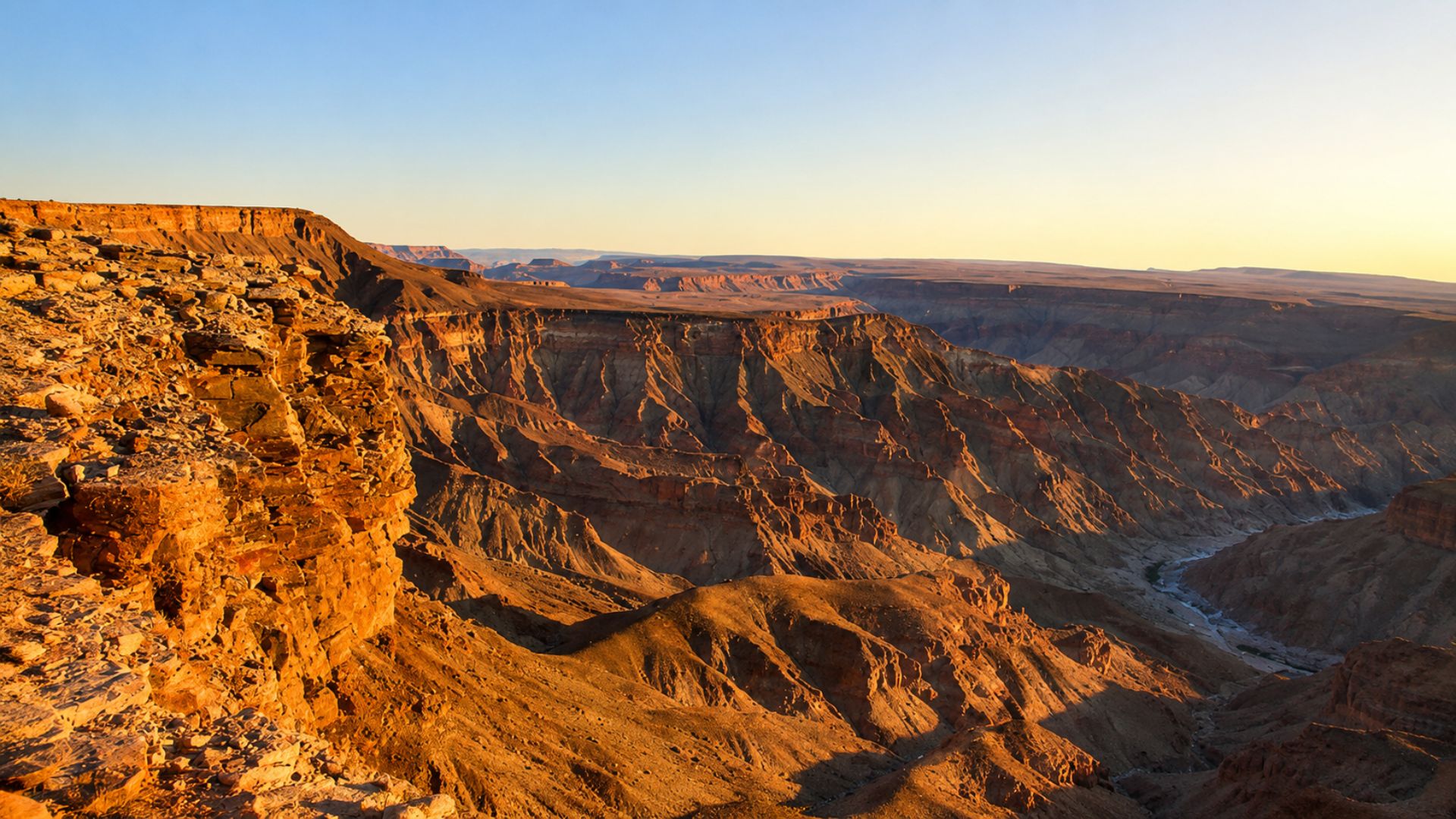
3. Fish River Canyon – Second largest canyon in the world.
4. Skeleton Coast – Shipwrecks and dramatic landscapes.
Indian Diaspora
• Around 3,000 Indian citizens, including many Keralites.
• Concentrated in Windhoek, Walvis Bay, and mining regions.
• Active in trade, healthcare, IT, academia, and mining.
• Cultural ties maintained through events by the High Commission of India in Windhoek.
Namibia stands as a nation of striking contrasts — from the red dunes of the Namib Desert to the wildlife-rich plains of Etosha, from its bustling capital Windhoek to the remote Skeleton Coast. Its journey since independence in 1990 reflects resilience, stability, and a commitment to democracy. With abundant natural resources, a growing tourism industry, and expanding opportunities in renewable energy and infrastructure, Namibia is not only a land of breathtaking beauty but also a country poised for sustainable growth and global partnerships. For investors, travelers, and cultural explorers alike, Namibia offers a unique blend of heritage, opportunity, and promise for the future.