Vatican City: Pope Leo XIV addressed the global network of leading news agencies, MINDS International, on Thursday, paying tribute to journalists who risk their lives daily to ensure that the world remains informed. Highlighting the critical role of reporting from conflict zones, he said, “If today we know what is happening in Gaza, Ukraine, and every other land bloodied by bombs, we largely owe it to them.” The Pope described such reporting as “extraordinary eyewitness accounts,” the fruit of tireless efforts to safeguard information from manipulation and to uphold human dignity.
In his address, Pope Leo emphasized that journalism is a public service rooted in ethics and truth. He reiterated his long-standing appeal for the release of journalists unjustly detained or persecuted, stating firmly: “Doing the work of a journalist can never be considered a crime. It is a right that must be protected.” Warning against attempts to suppress or distort information for political or ideological ends, the Pope called on media professionals to remain steadfast, highlighting the courage, competence, and ethical responsibility their vocation demands.
The Pope framed information as a public good that must be nurtured. He noted the paradox of the current media landscape: in the age of global communication, news agencies and audiences alike are facing crises, as the line between truth and falsehood blurs. Yet, in such a world saturated with data, Pope Leo observed, “no one today can say, ‘I did not know.’” Responsible reporting, he stressed, forms a “virtuous circle” when citizens actively support independent journalism, contributing to the health of civic life.
Addressing the ethical challenges of modern communication, the Pope invoked Pope Francis’ call for “courageous entrepreneurs, courageous information engineers” to counteract disinformation, clickbait, and unfair media practices. He noted that news organizations must balance economic sustainability with the duty to deliver accurate, balanced reporting. Highlighting the rise of artificial intelligence, Pope Leo warned that automated systems introduce new ethical questions: “Who controls the algorithms, who directs it, and for what purposes?” He urged vigilance to ensure that humans remain central in shaping how information is delivered, avoiding concentration of power in the hands of a few.
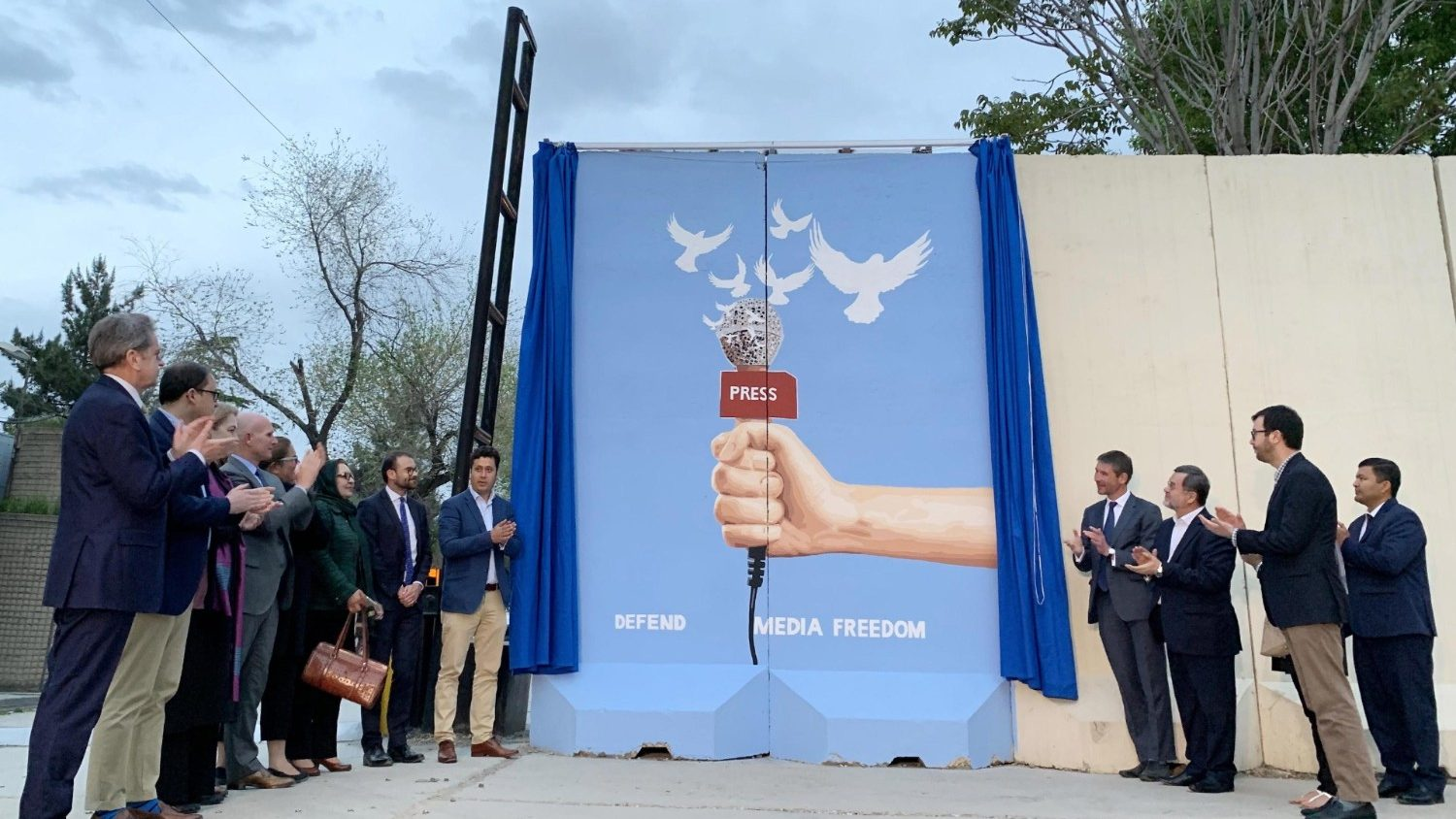
Pope Leo concluded with a reflection on the perils of a post-truth world. Quoting Hannah Arendt’s The Origins of Totalitarianism, he warned that totalitarian regimes thrive when individuals no longer distinguish fact from fiction. In this context, journalists serve as essential defenders of truth, acting as “a bulwark of civility” against the spread of lies and division. Transparency, accountability, and objectivity, he stressed, are indispensable values for the media: “The world needs free, rigorous, and objective information.”
The Pope’s remarks underscored the indispensable role of journalists in safeguarding knowledge, preserving democracy, and promoting human dignity. By standing firm in their commitment to truth, journalists, he affirmed, are vital witnesses in a world increasingly challenged by misinformation and technological complexity.