Tanzania, born in 1964 from the union of Tanganyika and the Zanzibar archipelago, stands today as one of Africa’s fastest growing economies, maintaining an impressive annual growth rate of around 6 %. Its bustling commercial capital, Dar es Salaam, anchors a dynamic economy driven by agriculture, gold mining, tourism, infrastructure, manufacturing, and financial services. Gold exports and tourism, fuelled by icons like Mount Kilimanjaro, the Serengeti, and Zanzibar, remain vital sources of foreign exchange.
Tanzania’s export basket is dominated by minerals such as gold and tanzanite, alongside agricultural products like cashews and coffee. India leads as a major trade partner at about 21 %, followed by South Africa and the UAE. Imports, primarily petroleum, vehicles, and machinery, flow in from China, India, and the UAE. Ambitious public investments in the Standard Gauge Railway, hydropower projects, and maritime infrastructure signal a future of accelerated connectivity and industrialization.
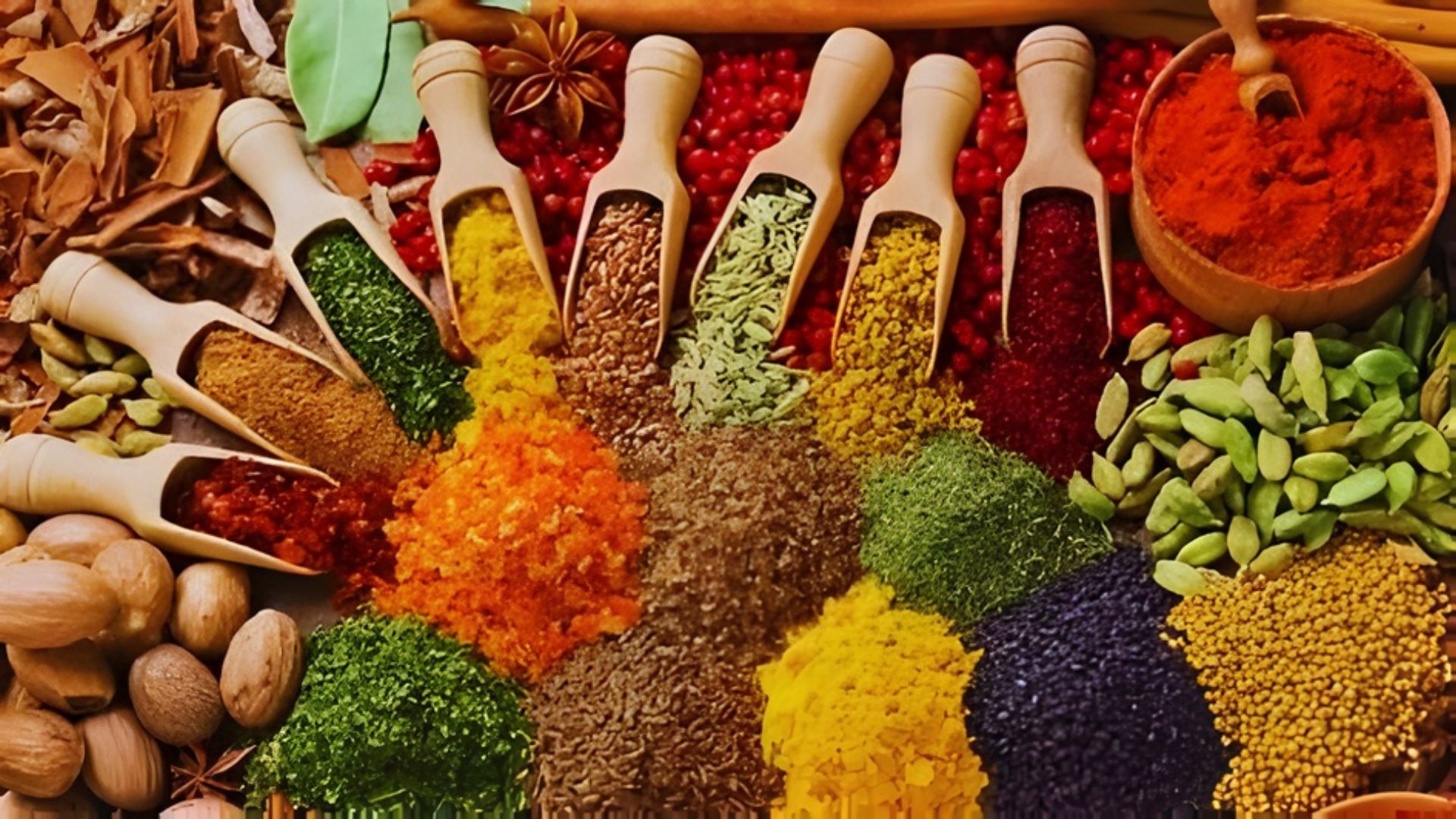
Home to an estimated 72 million people, Tanzania is a tapestry of over 120 ethnic communities. Urban hubs like Dar es Salaam, Dodoma, and Zanzibar’s historic Stone Town showcase this diversity. Zanzibar, often called the “Spice Island,” reflects centuries of African, Persian, Arab, Indian, and European influences, a legacy of its role in the spice and slave trade. Today, its UNESCO listed Stone Town, with Swahili Arab architecture and vibrant spice markets, remains a living museum of cultural heritage.
Mainland Tanzania’s highlights are
• Serengeti National Park: Witness the Great Wildebeest Migration and abundant wildlife.
• Mount Kilimanjaro: Africa’s tallest peak, a dream for trekkers.
• Ngorongoro Crater: A UNESCO World Heritage Site teeming with wildlife.
• Tarangire National Park: Famous for elephant herds and iconic baobabs.
Zanzibar’s highlights include
• Stone Town: A maze of alleys, historic forts, and cultural landmarks.
• Prison Island: Home to giant tortoises and colonial history.
• Jozani Chwaka Bay National Park: Sanctuary for the rare Red Colobus monkey.
• Beaches: Nungwi, Kendwa, and Paje offer turquoise waters and white sands.
• Cultural Markets: Forodhani Night Market and Darajani Market brim with flavors and crafts.
Zanzibar is also the cradle of Swahili culture, expressed through ornate wooden doors, Sultanate architecture, and taarab music, a melodic blend of African and Arab traditions.
Julius Nyerere International Airport in Dar es Salaam links Tanzania to the world via major carriers such as Emirates, Qatar Airways, Turkish Airlines, KLM, Kenya Airways, Flydubai, Ethiopian Airlines, among others. Zanzibar’s Abeid Amani Karume International Airport also hosts direct flights from regional and global hubs.
Tanzania is officially secular, celebrating both Christian and Islamic traditions. About 57 % of the population is Christian, 37 % Muslim, with Zanzibar being predominantly Muslim at about 99 %. Churches and mosques are not just spiritual centers, they drive education, healthcare, and social welfare. The Roman Catholic Church runs schools and hospitals nationwide, while Anglican and Lutheran Churches play key roles in rural development. Islamic heritage thrives in Zanzibar, with historic mosques and vibrant festivals shaping its cultural rhythm.
Discovered in 1967, Tanzanite, found only in the Mererani Hills near Kilimanjaro, is about 1,000 times rarer than diamonds. Its mesmerizing blue violet hues make it a global sensation and a cornerstone of Tanzania’s gemstone exports.
Tanzania hosts about 55,000 to 60,000 people of Indian origin, mainly in Dar es Salaam and Zanzibar. Predominantly Gujarati and Shia Muslim, this community has deep roots in trade and commerce. Hindu temples like Shri Swaminarayan Mandir and ISKCON in Dar es Salaam reflect their cultural vibrancy.
From gold mines to pristine beaches, from ancient mosques to modern skylines, Tanzania embodies a rare harmony between tradition and progress. Its cultural mosaic, enriched by African heritage, Swahili elegance, and Indian enterprise, makes it not just a destination, but an experience.