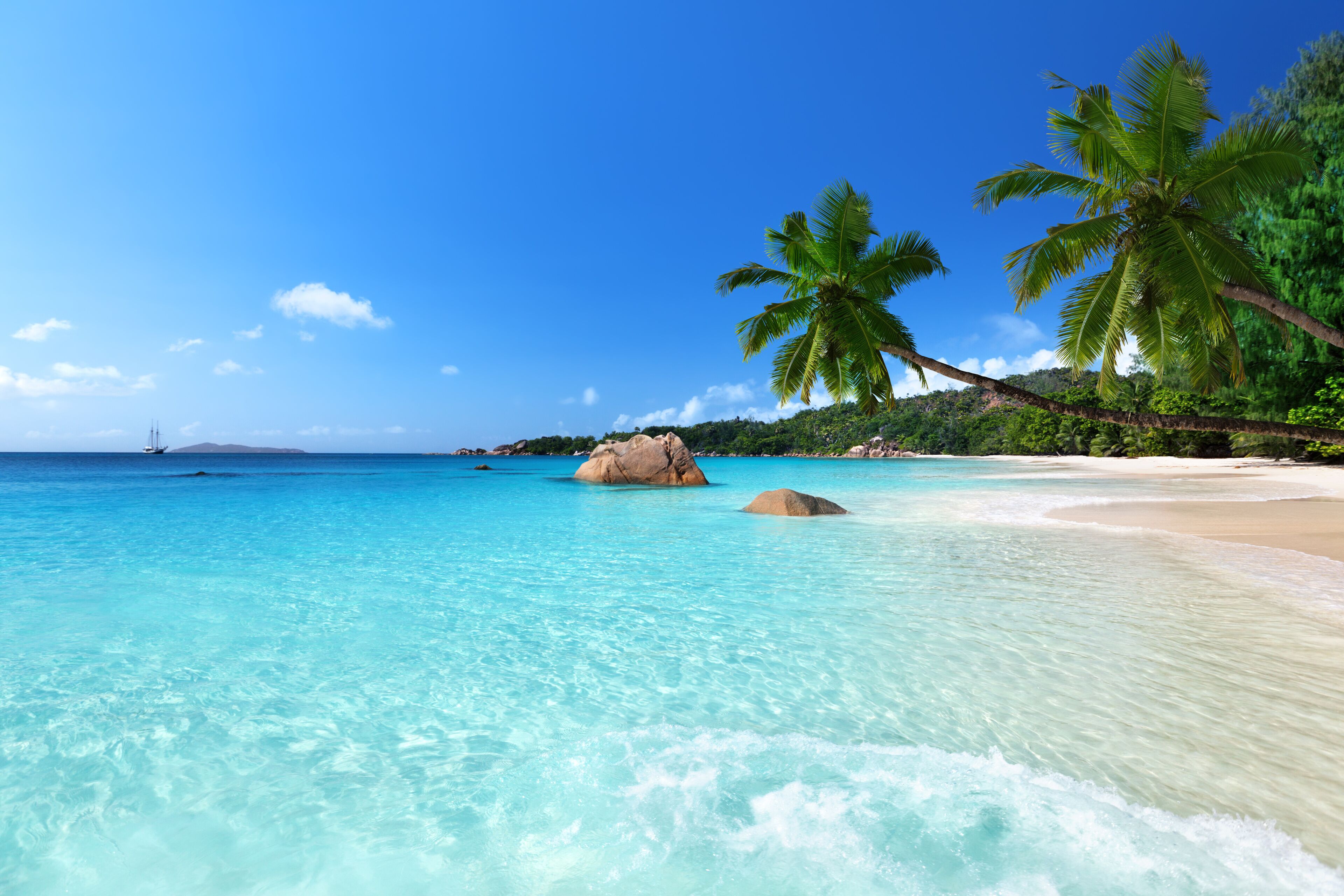
Seychelles a 115 island tropical paradise in the Indian Ocean is globally celebrated for its pristine beaches, towering granite boulders, lush forests, and exceptional biodiversity. Beyond postcard perfection, the nation exemplifies economic resilience, innovative governance, environmental leadership, multicultural harmony, and growing global connectivity.
According to geological history, the
Seychelles archipelago formed when the ancient supercontinent
Gondwana broke apart around
250 million years ago. As
Africa and
India drifted apart, granite mountain peaks remained above sea level, forming the
Inner Islands. Over time, surrounding coral islands developed, giving Seychelles its full complement of
115 islands today.

Economy of Seychelles is
High Income, Tourism Driven, and Service Focused, with
Tourism contributing around
72% of GDP and over
70% of foreign exchange earnings. Visitor numbers have rebounded strongly post-pandemic, now reaching approximately
500,000 arrivals annually. Seychelles ranks among
Africa’s highest income countries, with a per capita income of over
USD 16,000. Due to its high-income status and reliance on imports, the
cost of living is significantly high, making accommodation relatively expensive and limiting access for low- and middle-income travellers. Key sectors include
Tourism & Services, Fisheries, Industry, and Agriculture.

Seychelles protects over
32% of its marine waters, making it a global pioneer in
large-scale ocean conservation and
sustainable marine management. It is recognized worldwide for
marine parks, blue economy initiatives, and
ecosystem protection.

Seychelles is a stable
Presidential republic noted for strong governance and progressive environmental policy with an
Executive led by the President (Head of State & Government), a Legislature with a
Unicameral National Assembly (single chamber parliament), and an
Independent Judiciary. The current President is
Dr. Patrick Herminie (in office since
26 October 2025).

Major Tourist Attractions are: 1.
Anse Source d’Argent (La Digue) – often called one of the world’s most photographed beaches, famous for its
pink-hued sands and iconic
granite rock formations; 2.
Mahé – home to
Victoria, one of the smallest capitals in the world. Key attractions include
Botanical Gardens, lively local markets, Beau Vallon Beach, Morne Seychellois National Park; 3.
Praslin – features the
UNESCO-listed Vallée de Mai, home of the legendary
coco de mer palm and believed by some to be the biblical
“Garden of Eden”.

Seychelles is
“open for business” with strong investor confidence and an enabling environment for
global partnerships.

Promising Sectors are
Eco-tourism & sustainable hospitality, Green technology & renewable energy, Fisheries & aquaculture, Financial services & FinTech, Education, training & skilling, Sustainable real estate & infrastructure, ICT & digital services.

Entrepreneurs emphasize Seychelles’
stable democracy,
strategic Indian Ocean location, and
innovation-friendly policies as major advantages.

Official Languages are
English and French, whereas the National Language is
Seychellois Creole (Kreol Seselwa).

The Indian diaspora has played a vital role in shaping Seychelles’
cultural, economic, and social identity for centuries. Indian population is about
10,000 Indo-Seychellois (≈7% of the national population of 134,000), with first arrivals dating back to
1770, followed by indentured labourers during the colonial period. The majority are
Hindus (60%), alongside
Jains, Muslims, and Christians. Over
82% of Seychellois have some Indian heritage, reflecting long-term intermarriage and cultural blending. Indian influence is visible in
business, cuisine, festivals, language, and commerce.

Seychelles maintains one of the strongest
airline networks in the Indian Ocean, connecting
Africa, Europe, Asia, and the Middle East. Major international carriers include
Emirates, Etihad Airways, Qatar Airways, IndiGo, Ethiopian, and Kenya Airways, all operating through
Seychelles International Airport (SEZ) on Mahé.

Seychelles stands at the crossroads of
natural splendor, economic resilience, cultural diversity, and
visionary environmental leadership. Its thriving
tourism sector, stable political climate, strong connections with the Indian diaspora, and expanding global air links make the archipelago a
model island nation and a premier destination for
tourists, investors, and global travelers alike.