Somalia, located in the Horn of Africa, is a country of striking contrasts. With its diverse topography, recovering economy, and immense opportunities, Somalia continues to grapple with significant challenges that shape its national trajectory. Rich in cultural heritage and Islamic traditions, the nation is governed under a federal parliamentary republic. Mogadishu, the capital city, serves as the political and economic hub, while the Somali shilling remains the official currency, trading at approximately 568 shillings to the US dollar. Somali and Arabic are recognized as the official languages, reflecting both national identity and religious heritage.
Somalia is the easternmost country in Africa, bordered by Ethiopia, Kenya, Djibouti, and the Indian Ocean. Its landscape is varied: fertile river valleys along the Juba and Shabelle rivers provide agricultural potential, while the Karkaar Mountains rise in the north. Much of the country is arid, with hot temperatures and irregular rainfall, making water scarcity a recurring challenge. Yet Somalia’s vast coastline stretching over 3,300 kilometers, the longest in mainland Africa offers immense opportunities for a “blue economy” built on fishing, shipping, and port development.
Agriculture, livestock, and fishing form the backbone of Somalia’s economy. Livestock exports, particularly to Gulf countries, remain the largest source of foreign exchange. Fishing along the Indian Ocean coast is underdeveloped but holds enormous potential. Despite these strengths, Somalia faces structural weaknesses: poor infrastructure, political instability, and heavy reliance on imports for food and manufactured goods. Remittances from the Somali diaspora, estimated at billions annually, play a critical role in sustaining households and small businesses.
The country’s economic prospects are adversely impacted by ongoing insurgency from Al Shabaab and other militant groups, clan based politics, and fragile federal institutions. Food insecurity, coupled with recurrent droughts and floods, continues to threaten livelihoods. Climate change has further exacerbated these vulnerabilities, underscoring the urgent need for sustainable development strategies.
Sunni Islam is the official and dominant faith in Somalia, deeply woven into the fabric of society. Religious traditions influence governance, education, and daily life. Somali culture is renowned for its oral poetry, storytelling, and clan based social structures, which remain central to community identity.
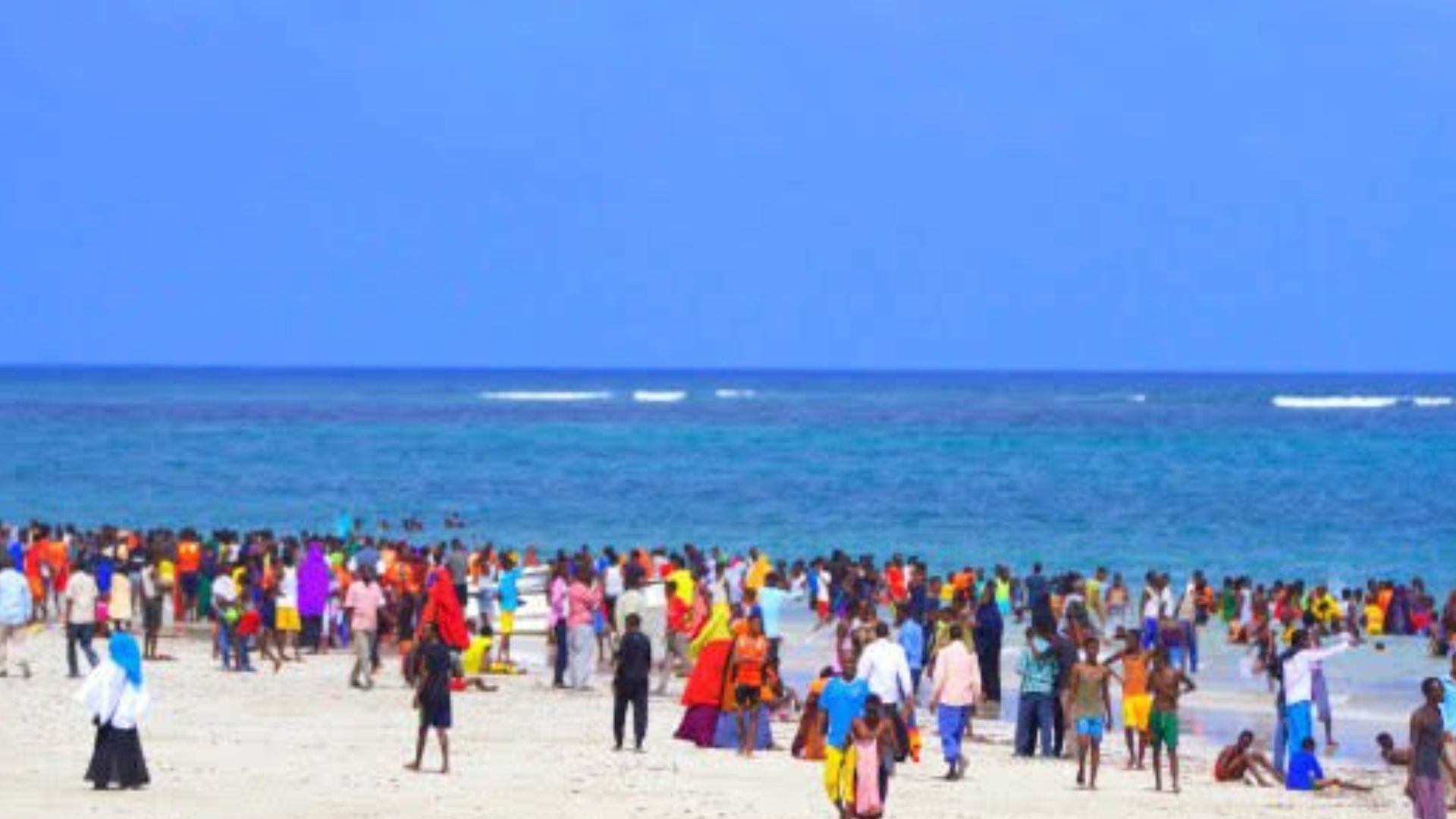
Despite decades of instability, Somalia possesses remarkable tourism potential. Mogadishu’s Lido Beach has become a symbol of resilience, attracting both locals and adventurous visitors. Historic mosques and ruins of ancient sultanates reflect the country’s rich Islamic heritage. Zeila, a UNESCO heritage candidate, showcases medieval Islamic architecture and centuries of trade history. The Daalo escarpments and Laas Gaal caves, with their ancient rock paintings, highlight Somalia’s natural and cultural treasures.
Tourism, however, remains limited due to security concerns and weak infrastructure. Most visitors today are members of the Somali diaspora returning to reconnect with their homeland. With stability and investment, Somalia’s beaches, heritage sites, and wildlife reserves could one day rival other destinations in East Africa.
Somalia operates as a federal parliamentary republic. President Hassan Sheikh Mohamud and Prime Minister Hamza Abdi Barre lead the government, while the Peace and Development Party (PDP) is the president’s political base. Yet Somali politics are highly clan driven, with alliances and disputes often shaped more by lineage than party ideology. Building strong institutions remains a critical challenge for the country’s democratic future.
Somalia has little Indian population today, apart from individuals engaged in humanitarian missions, port development, or the telecom sector. Historically, Christian missionary presence began in the late 19th century, led by Catholic and Protestant groups. During the colonial era, Italian and British administrations permitted limited missionary activity, primarily in education and health services. Protestant missions revived in the mid 20th century, focusing on Bible translation into Somali and small scale evangelism.
The collapse of Somalia’s central government in 1991 led to the closure of public churches. Missionaries faced severe risks, and most foreign missions withdrew. Today, Christianity exists only in underground forms, supported by diaspora networks abroad.
Somalia’s name often evokes associations with piracy in the Indian Ocean, a phenomenon that peaked in the early 2000s. While piracy has declined significantly, the reputation lingers. Yet Somalia’s future lies not in its troubled past but in its untapped potential. Solar energy, for instance, offers a promising avenue for sustainable growth, given the country’s abundant sunshine. Similarly, investments in renewable energy, agriculture, and port infrastructure could transform Somalia into a regional hub for trade and development.
Somalia is a nation of resilience, navigating the complexities of conflict, climate, and clan politics while striving toward stability and prosperity. Its geography, culture, and strategic location provide immense opportunities, from the blue economy to renewable energy. With peace, investment, and institutional reform, Somalia could reclaim its place as a vibrant nation in the Horn of Africa.