Kenya, located in East Africa along the equator, is a strategically positioned nation bordered by Uganda (west) , Tanzania (south) , Ethiopia(north), Somalia(east), and South Sudan(north-west). These borders span over 2,148 miles and play a crucial role in trade and regional integration. Since many neighbouring countries are landlocked, the Port of Mombasa serves as a key import–export gateway for East and Central Africa.
Known for its economic dynamism, cultural richness, historic ties with India, and strong diaspora communities including Malayalis Kenya continues to emerge as a major regional hub. In 2025, Kenya’s population stands at approximately 53.3 million, characterized by a very young demographic profile with a median age of 21.
Kenya demonstrated remarkable economic resilience with 4.7% GDP growth in 2024.
The World Bank projects an average of 4.9% annual growth for 2025–2027. Key drivers of growth include Services sector, Agriculture, Construction, Transport, Information & Communication Technology (ICT).
Kenya uses the Kenyan Shilling (KES) with an exchange rate of 1 USD ≈ 129 KES
Kenya is one of Africa’s top tourism destinations, renowned for its wildlife, beaches, and cultural landscapes.
Major wildlife & nature destinations include Maasai Mara National Reserve, Amboseli National Park, Tsavo East & Tsavo West, Nairobi National Park, Lake Nakuru National Park. and Mount Kenya National Park. Wildlife conservation Centres include Sheldrick Wildlife Trust – Elephant & rhino orphanage. Giraffe Centre – Home of the endangered Rothschild’s giraffe. Diani Beach, Malindi and Lamu are other beach attractions of the coast region.
India–Kenya ties date back centuries through the Indian Ocean trade routes. Between 1896 and 1901, over 32,000 Indian labourers arrived to construct the Uganda Railway. India established its High Commission in Nairobi in 1948, strengthening ties across politics, commerce, and culture.
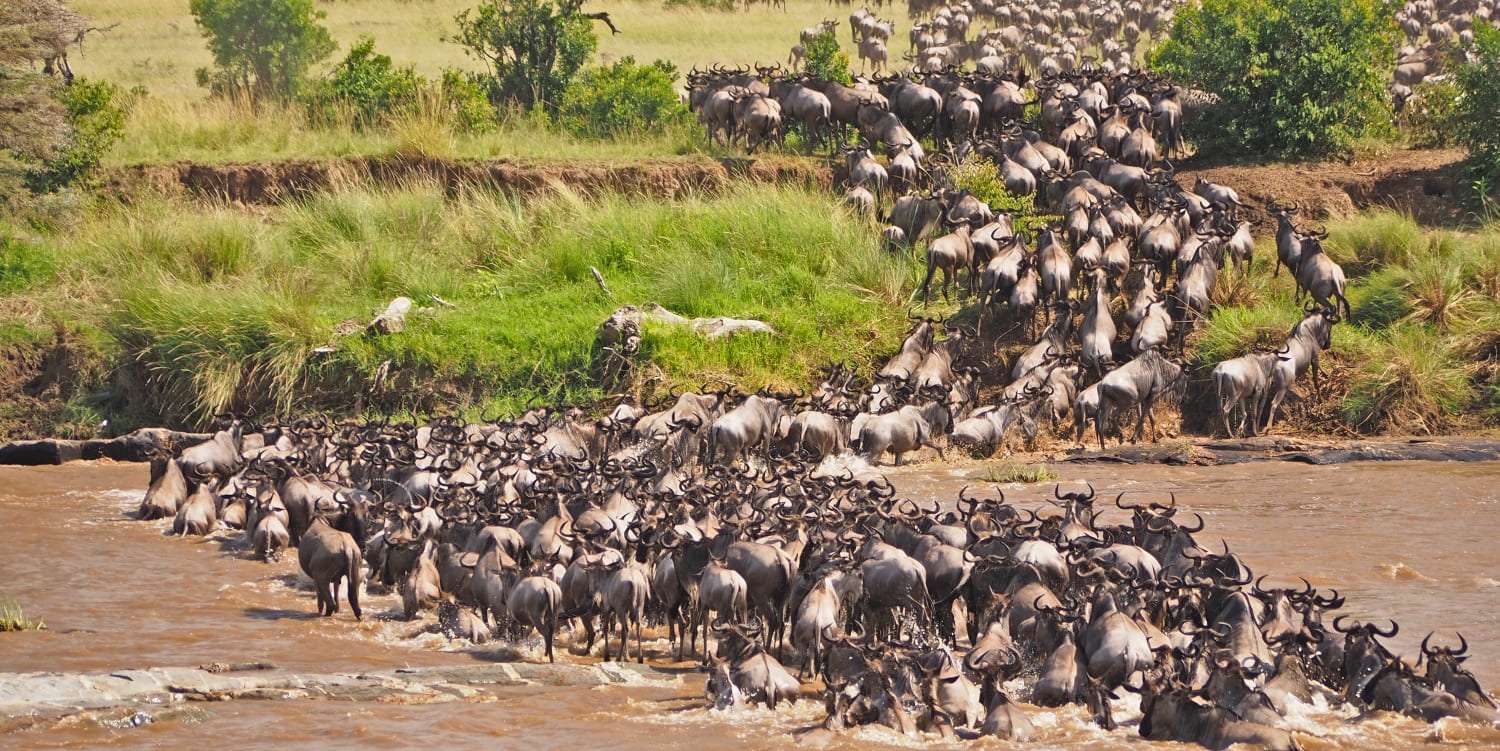
India is Kenya’s largest exporter and sixth-largest trading partner. Indian exports are pharmaceuticals, machinery, vehicles, steel and Kenya exports: tea, soda ash, vegetables, leather to India.
Approximately 100,000 Indians/Kenyan Asians reside mainly in Nairobi and Mombasa.
and were officially recognized as Kenya’s 44th tribe. They contribute significantly to sectors such as Finance, Healthcare, Commerce, Manufacturing and Education
Over 86% of the population are Christians followed by 11% of Muslims and remaining Hindus and other traditional faiths.
Kenya has over 40 ethnic communities including Kikuyu – 17.2%, Luhya – 14.4%, Kalenjin – 13.4%, Luo – 10.8% and Kamba – 10%
Official languages are English and Kiswahili, even though there are over 68 indigenous languages.
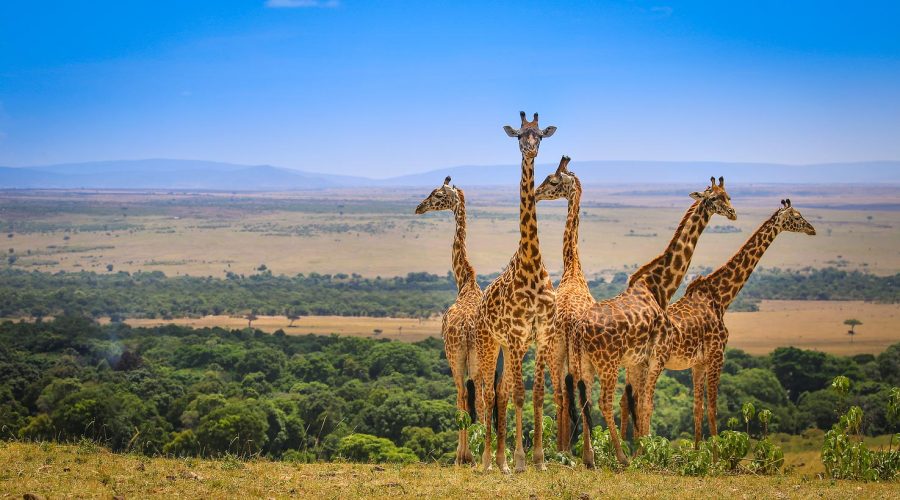
Kenya’s modernizing economy presents strong opportunities in Technology & Innovation, Fintech, health tech, aggrotech, AI ecosystems expanding rapidly. Renewable Energy, Real Estate, Agribusiness, Government & Infrastructure Bonds, Manufacturing & Logistics. Improved incentives, lower VAT, and reduced capital gains tax for certified investors are attractions to investors.
The Malayali diaspora maintains a strong cultural presence. The Kerala Association of Kenya (KAK) celebrated 70 years in 2025, predating the formation of Kerala state (1956). Malayalis contribute prominently to healthcare. Engineering, Hospitality, Business and Education. The community actively engages in welfare initiatives, including support during the 2025 Nyahururu bus tragedy involving Malayalis from Doha. Swamy Ayyappa Temple, Vincentian Retreat Centres at Nairobi, Thika and Kisumu and a number of priests and religious sisters from Kerala-based congregations are part of the wider Kerala community.
Major Cathedrals include 1. Cathedral Basilica of the Holy Family – Nairobi, 2. Holy Ghost Cathedral – Mombasa, 3. Christ the King Cathedral – Bungoma, 4. Cathedral of the Sacred Heart of Jesus – Eldoret, 5. Sts. Peter and Paul Cathedral – Embu, 6. Our Lady of Consolation Cathedral – Garissa, 7. Most Holy Trinity Cathedral – Homa Bay among many others
Major Priests’ Congregations are CMI, Vincentians, Claretians, Missionaries of St. Patrick, Apostles of Jesus, Salesians and Comboni Missionaries. Major Sisters’ Congregations are Sisters of the Destitutes, FCC, Holy Family, Franciscan Missionaries of Mary and Assumption Sisters
Major Hindu temples include Sri Ayyappa Temple – Nairobi, BAPS Shri Swaminarayan Mandir – Nairobi, East Africa Satsang Swaminarayan Temple, Nairobi, Hare Krishna (ISKCON) Temple – Nairobi, Sri Sanatan Dharma Sabha – Nairobi, Shree Kutch Satsang Swaminarayan Mandir -Nairobi among others: Jamia Mosque – Nairobi, Memon Mosque – Mombasa, Burhani Mosque (Badri Mosque) – Mombasa, Town Jamatkhana (Khoja Mosque), Nairobi are key mosques of Kenya.
Kenya stands out as one of Africa’s most dynamic nations economically resilient, ethnically diverse, and strategically located. Its long-standing relationship with India remains robust, strengthened by trade, migration, and cultural ties.
With expanding opportunities in technology, renewable energy, agriculture, and real estate, Kenya continues to attract global investors. The Kerala/Malayali community, with its cultural vibrancy and professional contributions, remains an integral part of Kenya’s multicultural society.