Chad, a vast landlocked nation in north central Africa, stands at the crossroads of the Sahara, Sahel, and savanna. Its remarkable geographic diversity is matched by a rich cultural mosaic and a growing strategic importance in Central Africa. Despite the challenges of poverty, climate shocks, and political transition, Chad continues to position itself as a nation of resilience, opportunity, and untapped potential.
Chad’s bordering countries are Libya to the north, Sudan to the east, Central African Republic to the south, Cameroon to the west, and Nigeria and Niger to the west.
N'Djamena, the capital and largest city, sits at the meeting point of the Chari and Logone rivers, serving as Chad’s political, cultural, and economic hub. Its urban population is estimated at about 1.79 million. The city blends traditional Sahelian culture with modern influences, bustling markets, and iconic landmarks such as the Grand Mosque, National Museum, and Avenue Charles de Gaulle. A vibrant yet gritty metropolis, N’Djamena remains the country’s gateway for air travel, commerce, and tourism, and symbolizes Chad’s aspirations for modernization.
Chad’s population in 2026 is estimated at approximately 21.56 million. The demographic profile is distinctly youthful, with a median age of around 16.75 years and rapid growth. Urbanization remains limited, and a significant majority still depend on agriculture and livestock for livelihood.
Ethnically and linguistically diverse, the country is home to more than 100 ethnic groups.
Chad’s religious landscape reflects its geography. Islam is dominant in the northern and central regions where Christianity is more common in the south. Indigenous beliefs also persist. This mix contributes to a vibrant cultural fabric, although regional and religious differences have historically influenced political dynamics.
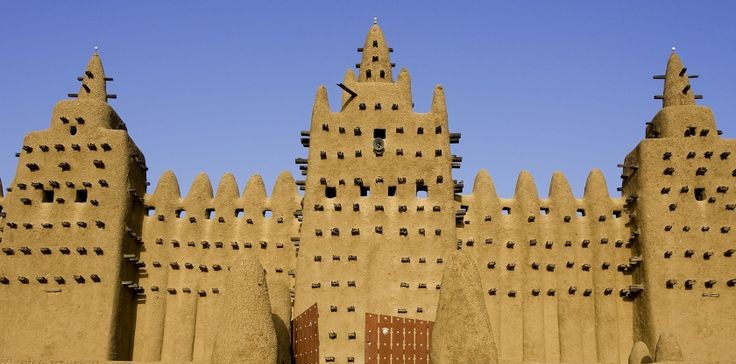
Chad’s economy is heavily dualistic, driven by oil production and subsistence agriculture. Oil accounts for up to 70 percent of export earnings and 41 percent of government revenue. Since production began in 2003, petroleum has dominated investments and foreign interest.
Agriculture and livestock employ over 80 percent of the population. Key products include cotton, cattle, gum arabic, millet, and sorghum. Climate vulnerability including droughts, floods, and desertification remains a major threat.
Chad remains a low income, high poverty country, with development heavily constrained by insecurity, debt pressures, and limited infrastructure.
Chad’s government actively seeks foreign investment, particularly in agriculture, mining, energy, logistics, and ICT.
Opportunities
• Vast oil, gas, and mineral resources, including gold and uranium.
• Strong potential in agribusiness and renewable energy, especially solar.
Reforms and incentives
• Chad connection 2030 aims to mobilize 30 billion dollars for transformation projects including infrastructure, digitalization, and agriculture.
• Tax breaks in priority sectors offer up to five years of corporate tax exemption.
Challenges
Weak transport infrastructure, limited skilled labor, governance issues, unreliable electricity, and frequent border closures complicate business activity. Despite these hurdles, investors with a long term view may find promising high growth niches in energy, agriculture, logistics, and digital services.
While Chad remains an unconventional tourist destination, its natural and cultural attractions are remarkable
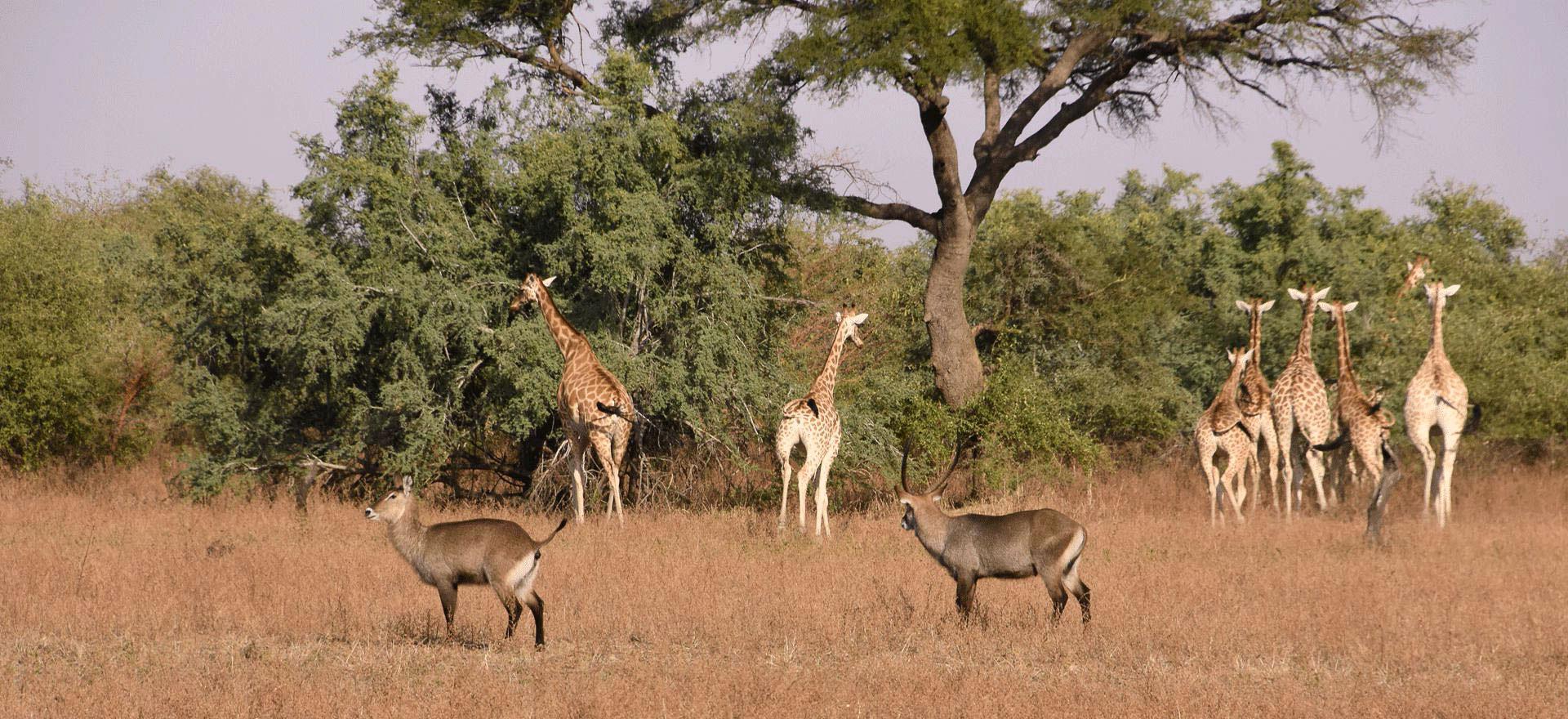
Key attractions
• Zakouma National Park a conservation success story famed for elephants, lions, and birdlife.
• Ennedi Massif dramatic desert landscapes, ancient rock art.
• National Museum of Chad a window into Chad’s prehistory and ethnography.
• Grand Mosque N’Djamena a striking architectural and cultural landmark.
• Gaoui Village known for traditional pottery and remnants of the Sao civilization.
Tourism is still emerging due to security and infrastructure constraints, but for adventurous travellers, Chad offers unmatched wilderness and cultural depth.
Air France, EgyptAir, Ethiopian Airlines, Qatar Airways and Turkish Airlines are the major airlines operating from the N’Djamena International Airport NDJ.
Indian population in Chad is not more than 500 working in UN mission, oil sector and Airtel mobile company.
Chad is a nation of profound contrasts immense deserts and fertile plains, ancient heritage and youthful demographics, economic hardship and bold development ambitions. As the country strengthens reforms and leverages its natural and strategic advantages, it holds significant long term potential in regional trade, agriculture, and energy.
For travellers, investors, and researchers alike, Chad offers a rich tapestry of stories some shaped by its challenges, others by its enduring spirit of resilience and possibility.